Nuristan
Information Nuristan
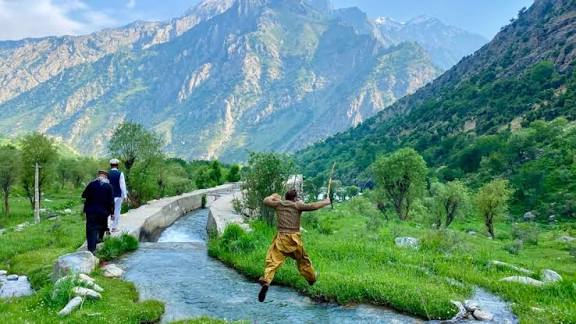
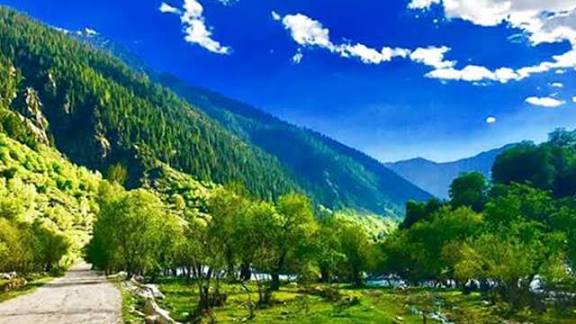
Nuristan is a peaceful and beautiful province in eastern Afghanistan. It is surrounded by tall mountains, green forests, and kind people.
Many travelers do not know much about Nuristan, but it is one of the most interesting and unique places in the country.
In this chapter, we will take a closer look at Nuristan’s location, people, traditions, and nature. We will also learn about its challenges and future.
Everything is written in simple words so even younger readers can enjoy and learn.
Where Is Nuristan?
Nuristan is located in the eastern part of Afghanistan. It shares borders with Kunar and Laghman provinces, and it also touches Pakistan.
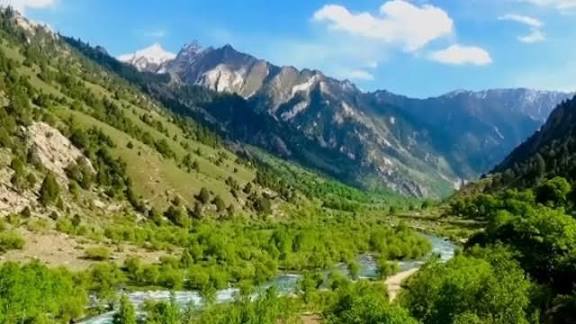
The province is full of mountains and rivers, which make it very beautiful.
Because of its tall hills and narrow paths, traveling to Nuristan can be a little hard. But once you arrive, the peaceful land and friendly people make it all worth it.
Get in
To get to Nuristan, Afghanistan, a remote and mountainous region, you'll need to travel from Kabul to Jalalabad, then to Asadabad (in Kunar Province), and finally to Parun, the capital of Nuristan.
Here's a more detailed breakdown:
1. Kabul to Jalalabad: Take a shared taxi from Pol e Mahmoud Khan in Kabul to Jalalabad.
2. Jalalabad to Asadabad: From Jalalabad, find shared taxis heading to Asadabad.
3. Asadabad to Parun: Spend the night in Asadabad and then find transportation to Parun the next morning.
Important Considerations:
Travel Permits: As a foreigner, you'll need to secure travel permits to enter Nuristan.
Security: Nuristan is a remote and volatile area, so it's wise to check the current security situation and consider traveling with a guide or tour operator.
Road Conditions: Roads in Nuristan can be challenging, especially in the rainy season.
Altitude: Be aware of altitude sickness, as Nuristan is a mountainous region.
Logistics: Plan for two days of travel and arrange accommodation in Asadabad.
The Natural Beauty of Nuristan:
Mountains and Forests
Nuristan is well known for its tall mountains covered in snow during winter. The land is full of thick forests with tall trees and wild animals.
This makes it one of the greenest places in Afghanistan.
In spring and summer, colorful flowers bloom, and birds sing in the trees. These sights and sounds make Nuristan feel like a dream come true.
Rivers and Streams:
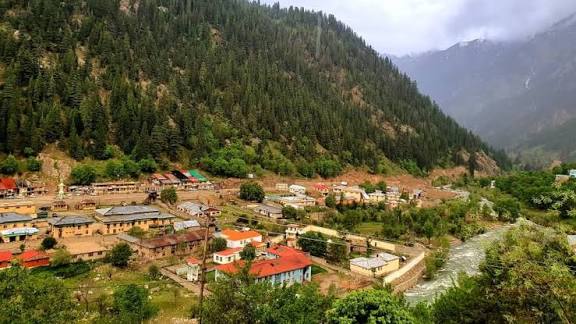
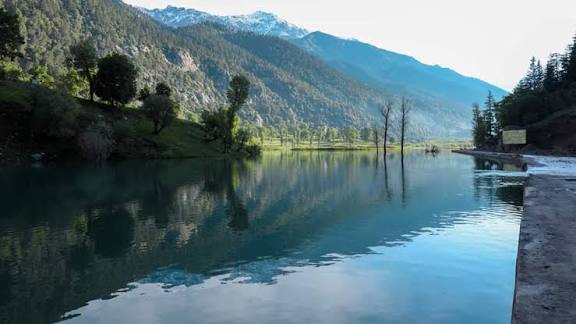
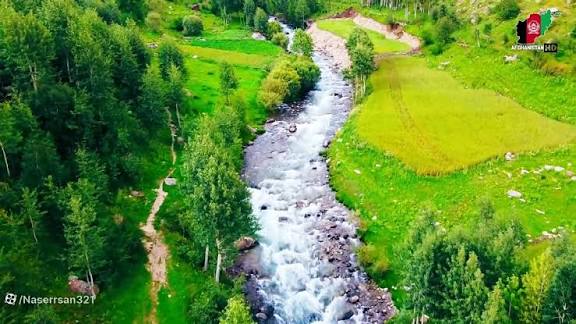
Many clean rivers flow through Nuristan. The most famous one is the Alingar River. These rivers bring water to the villages and help farmers grow crops.
The sound of the water running down the mountains is calm and peaceful. The major rivers flowing through Nuristan province in Afghanistan are the Kunar, Alingar, Pech, and Landai Sin rivers.
These rivers all originate in the Hindu Kush mountains and play a vital role in the region's geography and ecology.
The People of Nuristan
Who Are They?
The people of Nuristan are known as Nuristanis. They have their own language and culture, which is different from other parts of Afghanistan. Some of their languages include Kamkata-viri and Askunu.
Most people live in small villages, and their homes are made from wood and stone. These houses are built on hills and blend beautifully with nature.
Nuristan was in fact the last province of Afghanistan to convert to Islam, which happened just over 100 years ago after defeat at the hands of Amir Abdulrahman Khan, who supposedly forced local residents to abandon their ancient religious beliefs in place of Islam.
Before converting, however, this region was known to outsiders as “Kafiristan”, which roughly translates to “the land of the infidels”.
Many local Nuristanis, until this day, resemble Europeans in race. Blonde hair, fair skin and blue eyes are not uncommon. Some people say that they are descendants of Alexander the Great and his army, while others say that they are descendants of the Arabs.
I personally think the first theory is more plausible as Nuristanis don’t look like Arabs!
Traditions and Way of Life
Nuristani people have strong traditions. They wear colorful clothes and celebrate special events with music and dance. Their dances are full of energy and joy. During festivals, people sing songs that tell stories about their land and heroes.
Families work together and help one another. Respect for elders and kindness toward guests are very important values in Nuristan.
Daily Life in Nuristan
Work and Jobs:
Most people in Nuristan are farmers. They grow wheat, corn, and fruits like apples and walnuts. Many families also raise animals such as cows, goats, and chickens.
Some people work with wood and make tools, bowls, and even furniture. These handmade items are beautiful and strong.
Food and Meals:
The food in Nuristan is healthy and simple. Bread, rice, milk, and fresh fruits are eaten every day. People also enjoy yogurt, butter, and cheese from their animals. Guests are always served with care and warmth.
Education and Schools:
Education is very important, but not all villages have schools yet. Some children walk long distances to learn reading, writing, and math. Boys and girls are both going to school, and more parents are supporting education.
Teachers in Nuristan are doing their best, even when they have few books or supplies. Slowly, more schools are opening, and this gives hope to the future generation
Health and Services:
Doctors and nurses work in small clinics, mostly in bigger towns. In far-off villages, people sometimes travel hours to reach a health center. Health services are growing, and people are learning how to stay healthy.
Clean water, electricity, and roads are still limited in many parts. However, small changes are happening. New roads are being built, and more families are getting access to clean water.
Culture and Beliefs:
Nuristanis are proud of their culture. They believe in fairness, honesty, and strong family ties. Their traditions are passed down from one generation to the next. Music and storytelling play a big part in teaching children about history and morals.
They also care deeply for nature and believe it should be respected and protected. This is why their forests are still full of life.
Challenges and Hope:
Nuristan faces many problems, like rough roads, little electricity, and not enough hospitals or schools. But the people are brave and hardworking. They are ready to build a better future for their children.
With more help from the government and others, Nuristan can become a better place. Everyone hopes that peace and progress will come soon.
Interesting Facts About Nuristan:
• Nuristan means “Land of Light.”
• It was once called Kafiristan before the people converted to Islam.
• Many rare animals and plants live in its forests.
• The province has its own unique languages and dances.
• Snow covers many areas in the winter, making it look like a fairy tale.
Eat and Sleep:
There is one main hotel in Nuristan province that also has a restaurant, called the National Park Hotel and Restaurant. It's the primary option for tourists looking for accommodation and dining. For other dining options, several restaurants are located in Jalalabad, which is a gateway city to Nuristan, including Baba Wali Hotel, Afghan Hotel & Restaurant, and Lemar Hotel and Restaurant.
Additionally, there are some restaurants in Parun, the capital of Nuristan, such as Kunar River View restaurant & hotel and Green Hotel and Restaurants.
Hotels:
Restaurants (in Parun, the capital of Nuristan):
• National Park Hotel and Restaurant: This is the primary option for accommodation and dining in Nuristan.
• Kunar River View restaurant & hotel: A restaurant and hotel option.
• Green Hotel and Restaurant: Another option for dining in Parun.
Restaurants (in Jalalabad, a gateway to Nuristan):
• Baba Wali Hotel: Known for authentic Afghan flavors.
• Afghan Hotel & Restaurant: Offers a taste of Afghan cuisine and hospitality.
• Lemar Hotel and Restaurant: Another option for experiencing Afghan culinary traditions.
• Spogmai Restaurant: Features traditional Afghan decor, friendly service, and a menu including Kabuli Pulao, a highlight of Afghan cuisine.