Ghor
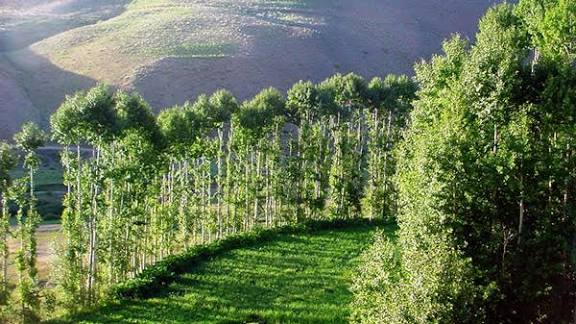
Information Ghor
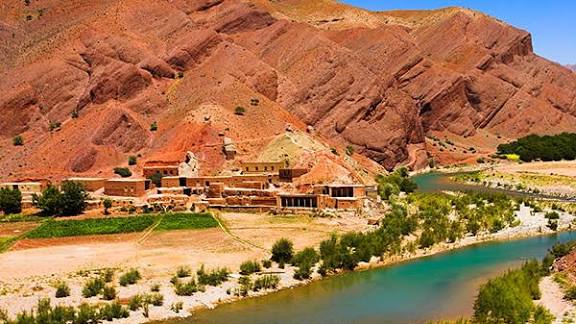
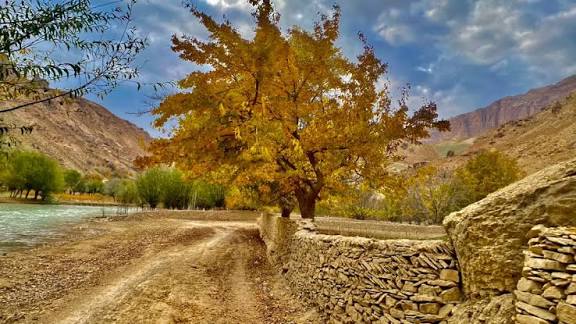
Ghōr, also spelled Ghowr or Ghur (Dari: غور), is one of the thirty-four provinces of Afghanistan. It is located in the western Hindu Kush in central Afghanistan, towards the northwest.
The province contains eleven districts, encompassing hundreds of villages, and approximately 764,472 settled people.Firuzkoh (known as “Chaghcharan” until 2014) is the capital of the province.
A Quick Look at History
The inhabitants of Ghor were completely Islamized during the Ghurids era. Before the 12th century, the area was home to Buddhists, Zoroastrians, Hindus and a small number of Jews.
Remains of the oldest settlements discovered by Lithuanian archaeologists in 2007 and 2008 in Ghor date back to 5000 BC.
The rise to power of the Ghurids at Ghur, a small isolated area located in the mountain vastness between the Ghaznavid Empire and the Seljukids, was an unusual and unexpected development.
In the 11th century AD Mahmud of Ghazni defeated some religions groups, The region had previously been conquered by Mahmud of Ghazni, and the population like Buddhists, Zoroastrians and Hindus converted to Islam.
Get in
By air: Kabul and Herat
To reach Ghor province, you can travel by road or air. Chaghcharan Airport, located in the provincial capital, Firozkoh, offers scheduled flights to Kabul and Herat.
Alternatively, you can travel by road, but be aware that many roads in Ghor are poorly maintained, unpaved, and may lack bridges, especially during winter.
A secondary all-weather road connects Shindand, Tulak, Shahrak, and Chaghcharan, and there are also some tertiary all-weather roads.
Road Conditions:
Roads in Ghor are generally in poor condition, with many unpaved and prone to becoming impassable during winter.
Secondary Road:
The Shindand-Tulak-Shahrak-Chaghcharan road is the only secondary road considered all-weather.
See
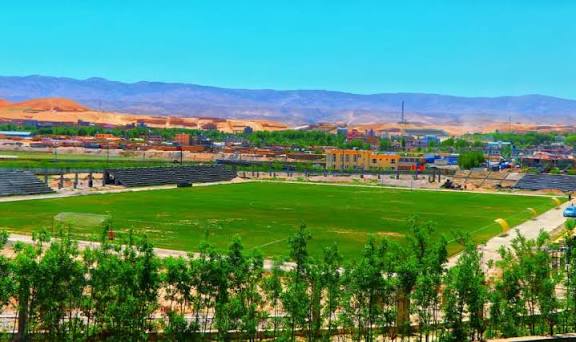
• The City of Chighcheran
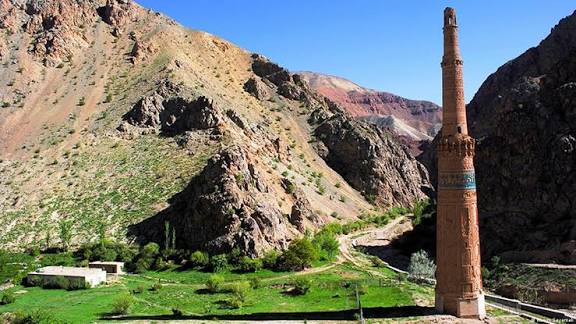
• Minaret of Jam
Best Places to see in Ghor:
1. City of of Chaghcheran
Chaghcharan, also known as Firuzkoh, is a city in western Afghanistan and the capital of Ghor province.
It's situated about 350 kilometers (220 miles) west of Kabul.
The city has a rich history, including its founding as the summer capital of the Ghurid dynasty in the 12th century and the construction of the iconic Minaret of Jam.
Today, it's a provincial center with a population of around 15,000, primarily Persian speakers.
2. The Minaret of Jam
Ghor was also the center of the Ghurid dynasty in the 12th and 13th centuries.
The remains of their capital Firozkoh, which was sacked and destroyed by the Mongols in 1222, includes the Minaret of Jam, a UNESCO World Heritage Site.
The Minaret of Jam built by the Ghurid dynasty.
The Minaret of Jam is a tall, 62-65 meter (203-213 foot) minaret located in western Afghanistan, specifically in the Shahrak District of Ghor Province, near the Hari River.
Built around 1190 AD entirely of baked bricks, it's renowned for its intricate brick, stucco, and glazed tile decorations, including alternating bands of Kufic and Naskhi calligraphy, geometric patterns, and Quranic verses.
It's a UNESCO World Heritage site, the first Afghan site to be inscribed, and is also on the List of World Heritage in Danger due to its fragility and the threats posed by its location near rivers prone to flash floods.
Eat and Sleep:
The Ministry of Information and Culture has finalized the construction of a hotel and guesthouse in the (Manarjam) area of Ghor province, allocated at a cost of 16 million Afghanis, to enhance tourism infrastructure and cater to the needs of visitors.
Restaurants in Ghor:
restaurants inside the city of Firuzkuh and restaurants in the districts. In Firuzkuh, there are restaurants such as Qasr Suleiman Restaurant that serve local and foreign dishes.
Also, in Lal and Sarjangal districts, the Women's Chips and Burger Restaurant is the first women's restaurant in the province.
There are other restaurants in Firuzkuh that offer a variety of dishes to customers.