Faryab
Information faryab
Understand
Faryab Province is a beautiful and historic part of northern Afghanistan. Although it is not very well known, it holds great importance in Afghan culture and history.
With its mix of different people, traditions, and natural beauty, Faryab is a unique province. In this chapter, we will learn more about Faryab, its people, places, and daily life, using simple and clear language that even young readers can enjoy.
Where Is Faryab located?
Faryab is located in the northwest part of Afghanistan. It borders Turkmenistan to the north and several Afghan provinces, including Badghis, Ghor, Sar-e Pol, and Jowzjan. The capital city of Faryab is Maymana, a lively and growing town.
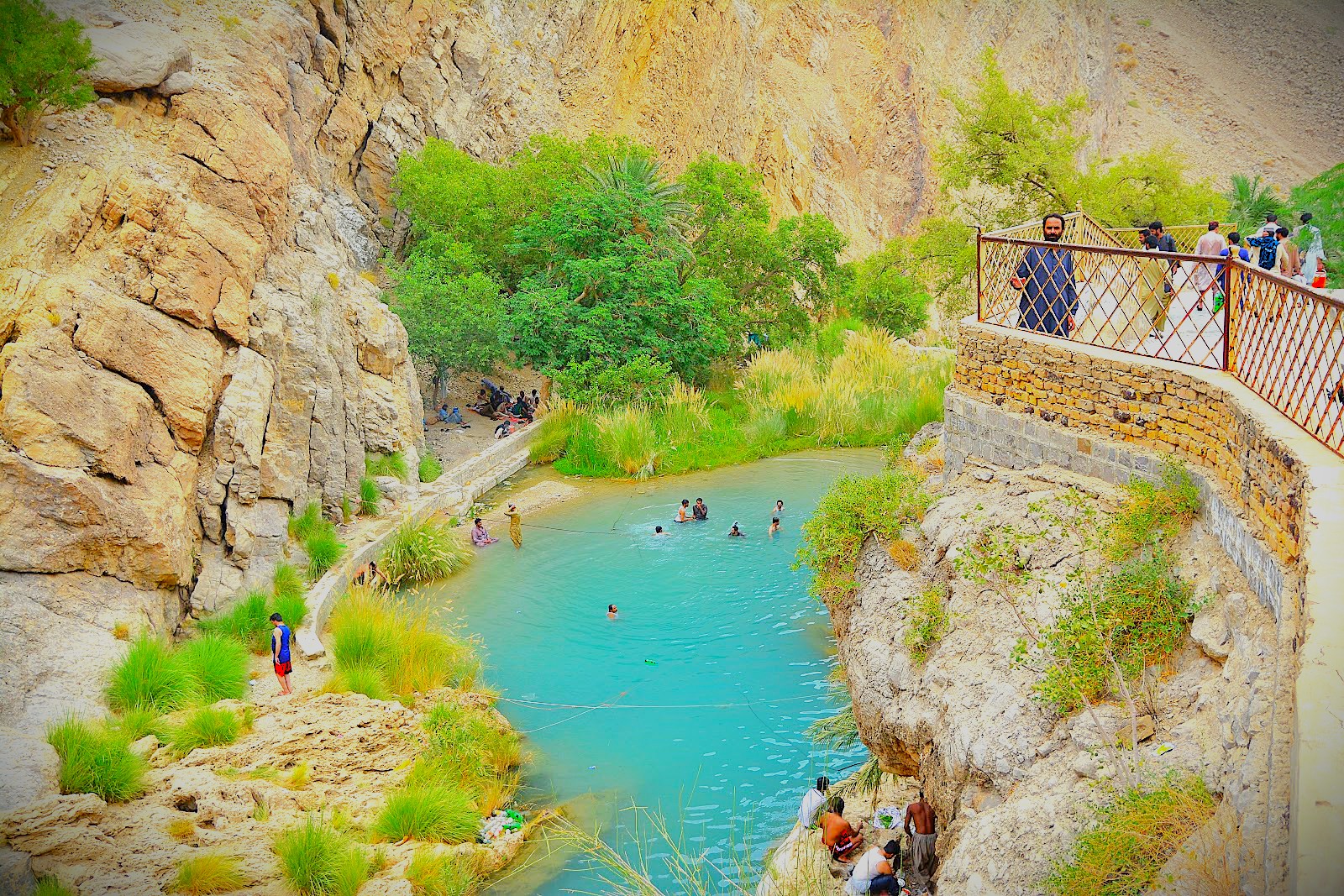
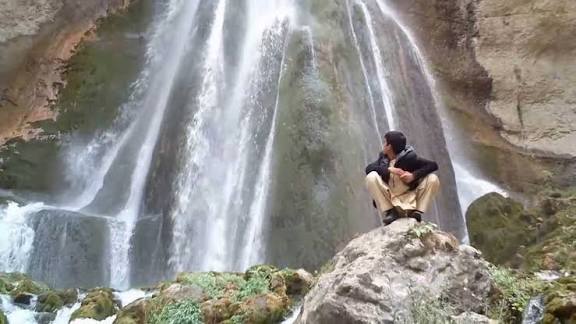
The province has mountains, rivers, green farmlands, and deserts. These features make it both beautiful and important for farming and trade
Get in
To get to Faryab Province in northern Afghanistan, your options will depend on your starting location, current security situation, weather, and available transport. Here’s a breakdown of the typical ways to reach Faryab:
From Kabul:
Route: Kabul → Salang Pass → Mazar-i-Sharif → Sheberghan → Maimana (capital of Faryab)
Distance: ~600 km
Duration: 12-16 hours (depending on road and security conditions)
Vehicles: Private car, taxi, or bus (shared or chartered).
Who Lives in Faryab?
Faryab is home to many different ethnic groups. Most of the people are Uzbeks and Turkmens, but there are also Tajiks, Pashtuns, and others.
The people speak different languages, mainly Uzbek, Turkmen, Dari, and Pashto. Even though there are different cultures, the people of Faryab live together peacefully and support one another.
Family life is very important. In villages and towns, families help each other with work, farming, and celebrations. Elders are respected, and children grow up learning strong values of kindness and respect.
A Quick Look at History
Faryab has a deep and rich history. Long ago, it was part of many great empires, including the Persian Empire, the Greeks under Alexander the Great, and later the Islamic Caliphates.
The name “Faryab” comes from a Persian word that means “land by the river.” This name shows how important rivers are to the area.
One famous figure born in this region was Al-Farabi, a great philosopher and scientist who lived many centuries ago. He contributed to music, logic, and science, and is still remembered today.
The Natural Beauty of Faryab
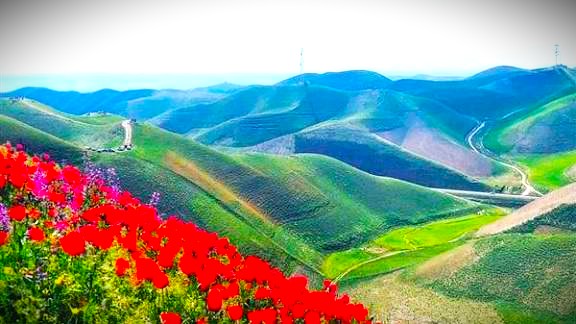
Although parts of Faryab are dry, the province also has green valleys and farmlands. The Maymana River helps farmers grow crops and water their animals. In spring, the fields bloom with flowers, and the air is fresh and clean.
The province has many hills and low mountains. These are perfect places for herding animals like sheep and goats.
Some parts of Faryab also have beautiful wildlife, including foxes, rabbits, and colorful birds. Nature plays a big role in daily life here.
Farming and Daily Work
Farming is the main way people earn a living in Faryab. Farmers grow wheat, barley, melons, apples, and grapes. Many families also raise cows, sheep, and chickens. The people of Faryab are hard workers.
very day, men and women wake up early to work in the fields, take care of animals, and cook meals.
Markets in Maymana and other towns are busy with traders selling vegetables, fruits, clothes, and handmade goods. Since Faryab is near Turkmenistan, it also takes part in some cross-border trade. This helps the local economy.
See
• City of Maymana
• Maimana river
• Andkhoy
• Markets
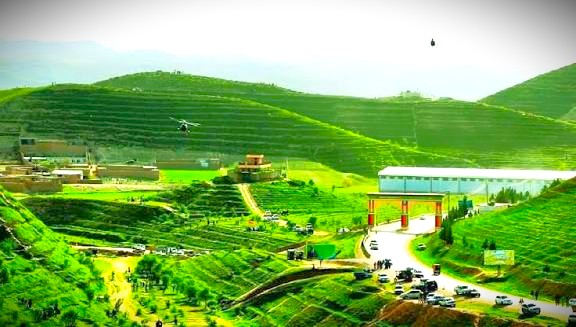
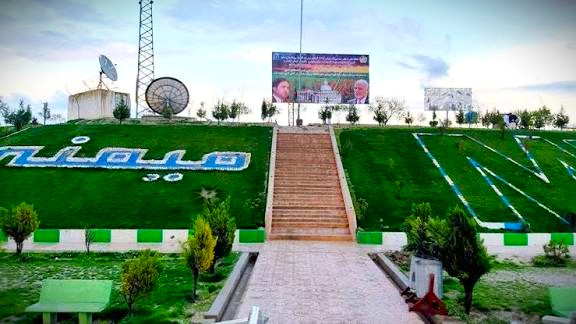
• Silk Valley of Maymana
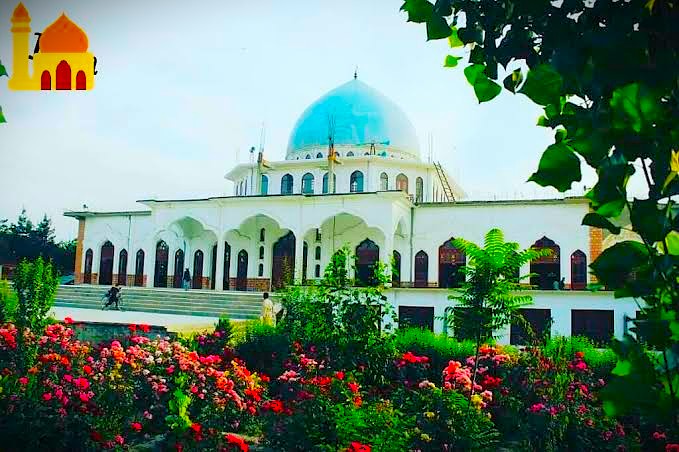
• Ede Gah mosque maimana
Best Places to see in Faryab:
1.City of Maimana
Maimana is a city in northwestern Afghanistan, serving as the capital of Faryab Province. It's located about 400 km northwest of Kabul, near the border with Turkmenistan. The city is situated on the Maymana River, a tributary of the Murghab River.
In 2015, the population was around 149,040, making it one of the largest cities in northwestern Afghanistan.
Here's more information about Maimana:
Location: Northwestern Afghanistan, Faryab Province, near the Afghanistan-Turkmenistan border
Population: Approximately 149,040 (2015).
Ethnicities: Primarily Uzbek, Pashtun, and Turkmen.
Economy: Serves as a market for leather goods, silk, wheat, and barley.
Transportation: Connected by road to Herat and Mazar-e-Sharif, and also has its own airport.(Maimana Airport)
History: Maimana was once the capital of a semi-autonomous Uzbek khanate before being incorporated into Afghanistan.
Recent Events: The city was captured by Taliban forces on August 14, 2021, during the 2021 Taliban offensive.
Climate: Experiences a hot-summer Mediterranean climate, with hot, dry summers and cold, moist winters.
2.The Maimana River (Rod I Maimana)
The Maymana River, also known as the Qeysar or Meymana River, is a right tributary of the Murghab River in northwestern Afghanistan. It flows near the city of Maymana, the capital of Faryab Province.
The river originates from the Band-e Turkistan River approximately 50 km south of the city.The Maymana River is known for its fertile soil and its role in supporting agricultural activities in the region.
Here's a more detailed breakdown:
Location: The Maymana River flows near the city of Maymana, situated at the northern foot of the Torkestan Range.
Tributary: It is a right tributary of the Murghab River.
Origin: The river branches off the Band-e Turkistan River.
Significance: The river is vital for agriculture in the Maymana region due to the rich topsoil it helps sustain.
Irrigation: The city of Meymaneh utilizes the river for irrigation, particularly for agricultural purposes.
Trade: The river area is also involved in trade, especially with Karakul sheep, a product of the local nomadic population.
3.Andkhoy
Andkhoy is a city and the center of Andkhoy District in Faryab Province, Afghanistan. It has a population of around 47,857 people, representing the major ethnic groups of Afghanistan.
The city is located about 35 kilometers southwest of the Aqina-Imamnazar border crossing with Turkmenistan. It also has a recently opened railway station for trade with Turkmenistan.
More details about Andkhoy:
Location:
Andkhoy is situated in the northern part of Afghanistan, in Faryab Province.
District:
It serves as the capital of Andkhoy District, which encompasses 81 villages.
Population:
The city has a diverse population with representatives from all major Afghan ethnic groups.
Economy:
Farming and livestock raising are common occupations in the district.
Infrastructure:
Andkhoy has a railway station and is relatively close to the Sheberghan Airfield.
Border:
It is a short distance from the Turkmenistan border at the Aqina-Imamnazar crossing.
4. Silk Valley of Maymana
The "Silk Valley of Maymana" refers to a region in Pashtun Kot district, Faryab Province, Afghanistan, known for its silk production and trade.
Maymana, the capital of Faryab province, is a key trading hub in northern Afghanistan where silk is one of the commodities traded. The region is known for its silk, carpets, and other agricultural products like wheat, barley, melons, and grapes.
The Silk Road, traversing Afghanistan, historically connected several countries across Asia and Europe.
Specifically, it linked Afghanistan to China, India, Iran, and various Central Asian nations, including present-day Turkmenistan, Uzbekistan, and Tajikistan. Additionally, it extended westward to impact regions of the Middle East and eventually reached Europe.
Here's a more detailed breakdown:
Location:
The Silk Valley is specifically located in the Pashtun Kot district of Faryab province, in northern Afghanistan.
Silk Production:
The region has a historical association with silk production and trade, making it known as the "Silk Valley".
Other Products:
Besides silk, Maymana is a market for leather goods, carpets, and agricultural products like wheat, barley, melons, and grapes.
Faryab Province:
Faryab is known for its carpets, both knitted and woven, and has some natural gas reserves, although exploitation levels are low.
Maymana City:
Maymana, the capital of Faryab, is a trading and transit hub in northern Afghanistan. It's situated at the foot of the Torkestan Range and serves an agricultural area irrigated by the Qeysar River
5. Eidgah Mosque Maimana
The Eidgah Mosque in Maimana, Faryab Province, Afghanistan, is a historical mosque known for being a site of large Eid prayers and a location of a tragic suicide bombing.
It is located in the provincial capital of Maimana and has been the site of both religious and public gatherings.
Culture and Traditions
Faryab’s culture is colorful and rich. People love music, dancing, and poetry. Traditional songs are sung during weddings and holidays.
One popular musical instrument is the dutar, a two-stringed lute used in folk music.
Clothing is also important in Faryab. Men wear shalwar kameez and turbans, while women wear long, colorful dresses with embroidery.
Embroidery is a big part of the local crafts, and many women are skilled in making beautiful patterns by hand.
Hospitality is a strong tradition. Guests are always welcomed with tea, sweets, and a smile. Homes are open to friends, family, and even strangers who need help.
Eat and Sleep
In Faryab province, especially in the city of Maimana, there are various restaurants and eateries that serve a variety of local and international dishes. Here are some of these restaurants.
Mezban Restaurant:
This restaurant is located in the city of Maimana and is ready to serve guests by offering delicious and quality food. Its exact address is in front of Armghan Hotel.
Faryab Cafeteria:
The restaurant is located on the main road of Zargar Khana, opposite the Khor Mosque, and offers a variety of different Faryab dishes.
Note: Lack of Tourist Facilities: Faryab is not a typical tourist destination, and as such, there may be a lack of tourist facilities such as hotels, restaurants, and tourist attractions.
Travelers may need to be prepared for basic accommodations and limited amenities.