Nimroz
Information Nimroz
Nimruz also known as Nimroz, and Nimroch (Balochi), is one of the 34 provinces of Afghanistan, located in the southwestern part of the country.
It lies to the east of the Sistan and Baluchestan province of Iran and north of Balochistan, Pakistan, also bordering the Afghan provinces of Farah and Helmand. It has a population of about 186,963 people, in which the majority are Baloch.
The province is divided into five districts, encompassing about 649 villages.
The city of Zaranj serves as the provincial capital and Zaranj Airport, which is located in that city, serves as a domestic airport for the province.
The recently built Kamal Khan Dam is located in Chahar Burjak District.
The name Nimruz means "mid-day" or "half-day" in Persian Language and Balochi. The name is believed to indicate that the meridian cutting the old world in half passes through this region. Nimruz covers 43,000 km2.
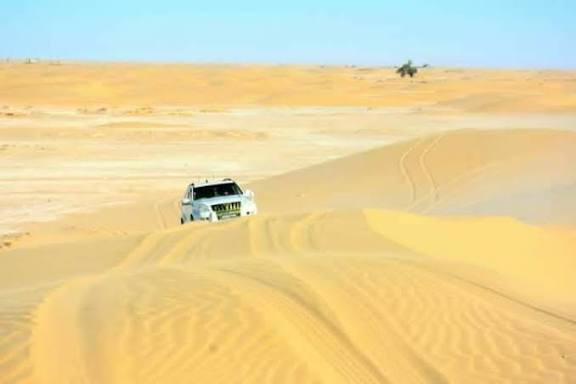
It is the most sparsely populated province in the country, located in the Sistan Basin. A substantial part of the province is the barren desert area of Dasht-e Margo.
Get in
To get to Nimruz province, you can travel by road or air, though air travel is often unreliable. The Delaram-Zaranj Highway connects Nimruz to other parts of Afghanistan, and Zaranj also has an airport with flights to Herat, though these can be impacted by sandstorms.
Kabul – Nimruz by road:
1. Kabul – maidan wadak – Ghazni
2. Ghazni – Qalat (Zabul)
3. Qalat – Kandahar
4. Kandahar – delaram (Nimruz border with Farah/Helmand)
5. Delaram – Zaranj (Capital of Nimruz)
Delaram-Zaranj Highway:
This highway provides a road connection from Delaram in Nimruz to other parts of Afghanistan.
Connections to other provinces:
Nimruz borders Farah and Helmand provinces, so you can potentially travel from those areas via road.
Zaranj Airport: Located near the city of Zaranj, it has scheduled flights to Herat.
Unreliable due to sandstorms: Air travel can be affected by sandstorms, particularly during spring and summer, so plan accordingly.
Transportation Options:
Private car or taxi (most flexible, but costly)
Shared vehicles/buses from Kabul’s southern bus terminal (Terminal-e-Kandahar) – Ask for buses going to Zaranj via Kandahar.
See
Zaranj city and bazars
Trakhun Castle (Turkish Castle) nimruz
Forty Towers Castle
Nadali Castle (Zaranj Fortress)
Gholghola city
Chegini Castle
Chakhansur River
Local Tea Housesbr
1. Zaranj city and local bazars:
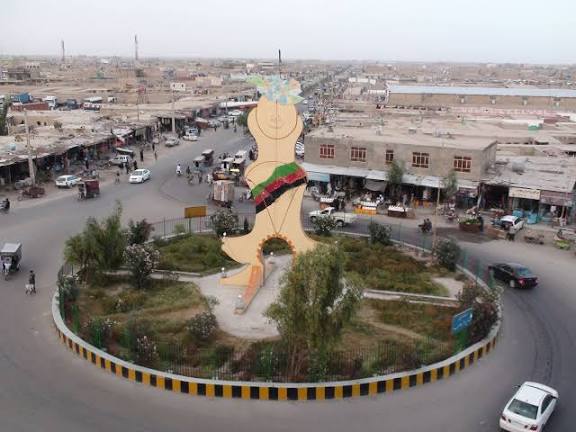
Zaranj is a city in southwestern Afghanistan, and the capital of Nimruz Province. It's located on the border with Iran, near the Iranian city of Zabol.
The city is known for its strategic location on trade routes between Afghanistan and Iran, particularly Route 606 which connects it to Delaram. Zaranj has a hot desert climate with very hot summers and cool winters.
Zaranj had a population of around 160,902 in 2015. However, the IOM (International Organization for Migration) IOM estimated the population of Zaranj District, which includes the city, to be around 248,000 in November-December 2021.
Economy:
Much of the economy in Zaranj is based on manual/unskilled labor related to the movement of goods between Afghanistan and Iran.
Infrastructure:
Zaranj has a hospital and Basic Health Centers (BHCs). It also has good access to public electricity networks and phone service. However, internet access is lower, at around 40%.
Historical Significance:
Zaranj is an ancient city and the ruins of a citadel can be found there.
Border Crossing:
Zaranj is a key border crossing point with Iran, with Route 606 playing a significant role in trade.
Zaranj Local Bazaars:
Zaranj, Afghanistan, features bustling local bazaars that offer a glimpse into daily life and culture. According to travel websites, these markets are a great place to experience local life, find souvenirs, and observe the vibrant scene of stalls selling everything from spices to traditional crafts.
Zaranj Bazaar is specifically mentioned as a place to explore and bargain for items.
2. Trakhun Castle (Turkish Castle) Nimruz:
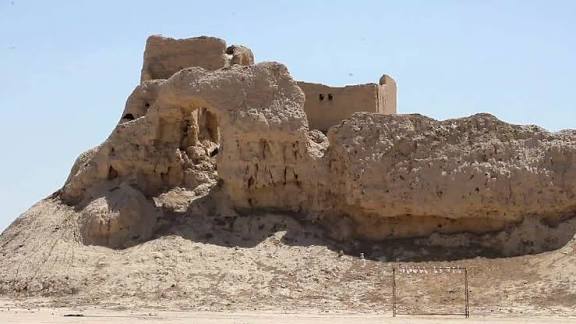
The Trakhun (Pashto: تراخون, Balochi: قلعه ترقون) or Trakhu is a historical, archaeological site with high-walled fortress atop a 30 m high triangular rock formation over 100 m on each side, located in the center of the Rud-i Biyaban in Nimroz Province of the Sistan region.
By legends and local tradition, Tarakhun is credited to be the birthplace of Rustam.
3. Forty Towers Castle:
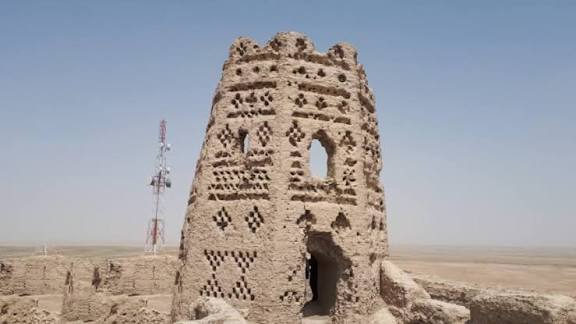
Chehel Burj Castle is one of the most important historical monuments of Nimroz province in Afghanistan. The castle, built in the first half of the ninth century AH by order of King Shah and Shah Shams al-Din, is known as a military and defensive monument in the region.
Chehel Burj Castle is located near the Hirmand River in the flat plain of Amiran and the ruins of ancient castles, towns and villages surround it.
Features of Chehel Burj Castle:
Location:
It is located on the right bank of the Hirmand River in the Amiran Plain.
Date of manufacture:
The first half of the ninth century AH on the orders of King Shah and Shah Shams al-Din.
Materials:
Brick and sometimes stone were used to build it.
Application:
It appears to have been built for military and defensive purposes.
reputation:
It is known as the castle of forty towers or forty girls.
Chehel Burj Castle is of special historical and cultural importance due to its strategic location in an area surrounded by the ruins of historical monuments.
4. Nadali Castle (Zaranj Fortress):
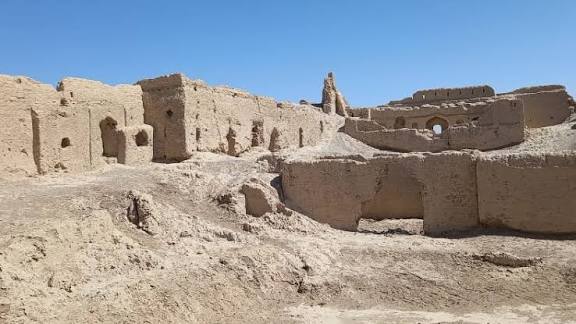
Nadali Castle, also known as Zaranj Fortress, is a historical site located in Nimruz province, Afghanistan. It's situated in the city of Zaranj and is known for its unique Sasanian and Parthian-era structures, which were later reused during the Ghaznavid and Ghurid periods.
The fortress is notable for its three-storied Citadel Palace, which is considered one of the few extant monumental Saffarid buildings.
Historical Significance:
The castle's history stretches back to pre-Islamic periods, with evidence of Sasanian and Parthian public buildings beneath the current structures.
Historical Significance:
The castle's history stretches back to pre-Islamic periods, with evidence of Sasanian and Parthian public buildings beneath the current structures.
Later Periods:
The Saffarid buildings were reused and modified during the Ghaznavid and Ghurid periods, including the addition of a bathhouse and an expansive Lower Palace.
Destruction and Reconstruction:
Genghis Khan's army destroyed the fortress in 1222, and while there was some rebuilding during the Timurid period, few remains from this era exist today.
5. Gholghola city:
Shahr-i Gholghola (Persian: شهر غلغله) (City of Screams), also called Sar-o-Tar is a historical, archaeological site located in Nimroz Province of the Sistan region, which presently encompasses parts of Iran, Afghanistan, and Pakistan.
The ruin might be the fortress city of Taq, known from medieval Islamic sources.
Shahr-i Gholghola was the land of the Saka people of sistan, who inhabited this area in the last two centuries BCE. This land may derives its name from these people.
Nowadays, there is no attention is paying to the protection and rehabilitation of historical sites in Nimroz province from relevant authorities, and this issue causes on the verge of destruction of almost all historical monuments, including the city of Gholghola.
6. Chegini Castle:
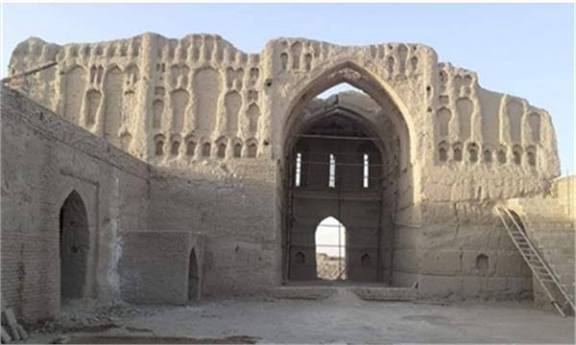
Chegini Castle is a historic castle in Afghanistan's Nimroz province that is currently undergoing restoration. The castle is located 30 kilometers from the city of Zaranj, the capital of Nimroz province, and belongs to King Qutbuddin Kiani.
The Chegini Castle is known as a symbol of the ancient history of Nimroz and is being restored by the National Development Company at the expense of the Ministry of Information and Culture of Afghanistan.
More information about Chegini Castle:
Location: 30 km from Zaranj city, the capital of Nimroz province.
Ownership: Belonging to the king of Qutbuddin Kiani.
History: This castle dates back to the ninth century AH and was built during the reign of King Qutb al-Din Kiani.
purpose: Probably the caravanserai or center of the capital.
Building materials: raw brick, mud and baked brick.
Architectural features: rectangular with arches, arches, brick decorations and domed covers.
Current Status: Undergoing restoration and restoration.
Progress of restoration work: About 32 percent of restoration work has been completed.
Ongoing measures: brickwork of the castle wall, repair of the arches, repair of the castle rooms and brickwork.
The purpose of the restoration: to preserve the historical authenticity of the castle.
7. Chakhansur River:
The Chakhansur River is a river located in the Chakhansur district of Afghanistan, specifically in the Nimroz province. It is part of the Helmand River basin. The region is known for its arid climate and the river plays a vital role in the local ecosystem and water resources.
The Chakhansur district is also mentioned in relation to the Helmand River dispute between Afghanistan and Iran, where Iran expressed interest in funding a dam in the region in exchange for water rights.
Location:
The Chakhansur River is situated in the Chakhansur district, which is part of the Nimroz province in Afghanistan.
Helmand River Basin:
The river is a part of the larger Helmand River basin, which is a significant source of water for both Afghanistan and Iran.
Water Resources:
The Chakhansur region relies on the river for irrigation and other water needs. The river's flow is crucial for sustaining the local population and agriculture.
Hydropolitics:
The Chakhansur region is also part of the broader hydropolitical context of the Helmand River basin, where water sharing agreements and infrastructure development are sensitive issues.
Note:
Lack of Tourist Facilities: Nimruz province is not a typical tourist destination, and as such, there may be a lack of tourist facilities such as hotels, restaurants, and tourist attractions. Travelers may need to be prepared for basic accommodations and limited amenities.