Kunduz

Information Kunduz
Kunduz is a strategic, fertile province in northeastern Afghanistan, bordering Tajikistan, with a population of over 900,000. Its capital, also named Kunduz, is a major commercial hub.
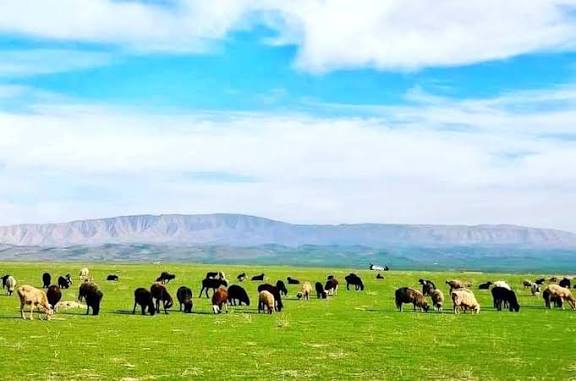
The region is predominantly agricultural, characterized by the Kunduz River valley, and is ethnically diverse, including Pashtuns, Tajiks, and Uzbeks.
Key Details About Kunduz Province:
• Location and Geography:
Located in northern Afghanistan, it shares a border with Tajikistan to the north. It is bordered by Takhar, Baghlan, Samangan, and Balkh provinces.
The region is characterized by the Kunduz River valley, which provides essential irrigation for agriculture.
• Economy and Agriculture:
Roughly 70% of the population relies on agriculture and livestock. Major crops are supported by the river, its tributaries, and canals. The area has a history of cotton production, particularly around the Spinzar textile factory.
• Capital and Districts:
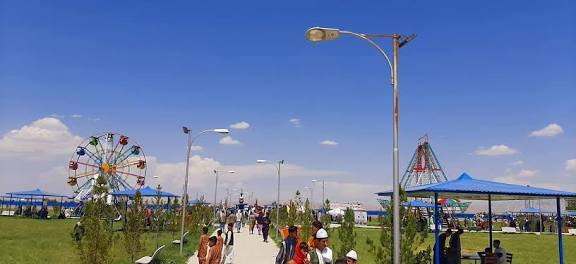
The provincial capital is Kunduz City, a hub for trade and transport. The province is divided into8 districts, with Imam Sahib being the largest.
• Population and Ethnicity:
The population is over 900,000, with a diverse mix of ethnicities, including Pashtuns, Tajiks, Uzbeks, Hazaras, and Turkmen.
• Infrastructure:
The province features the Kunduz Airport located near the capital. A key bridge at Sherkhan Bandar crosses the Amu Darya river, connecting Afghanistan to Tajikistan and facilitating international trade.
• Climate:The region experiences a cold semi-arid climate, featuring hot summers and cool winters, with precipitation primarily occurring between January and April.
• History and Security: In recent decades, the region has been a focal point of conflict, including major, well-documented battles, such as the 2015 fighting.