Panjsher
Information Panjsher
Panjshir (Dari: پنجشیر, literally "Five Lions," pronounced /pand͡ʒʃeːɾ/, also spelled as Panjsher) is one of the thirty-four provinces of Afghanistan, located in the northeastern part of the country containing the Panjshir Valley.
The province is divided into seven districts and contains 512 villages. The main inhabitants of the province are Tajiks Shamali, who speak Persian language. As of 2021, the population of Panjshir province was about 334,940.
Panjshir became an independent province from neighboring Parwan Province in 2004. It is bordered by Baghlan and Takhar in the north, Badakhshan and Nuristan in the east, Laghman and Kapisa in the south, and Parwan in the west.
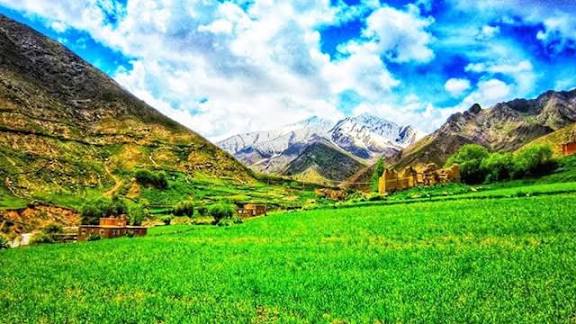
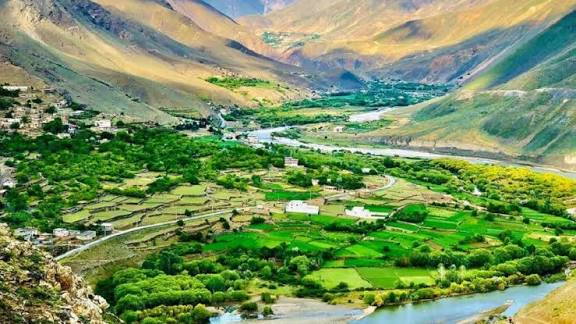
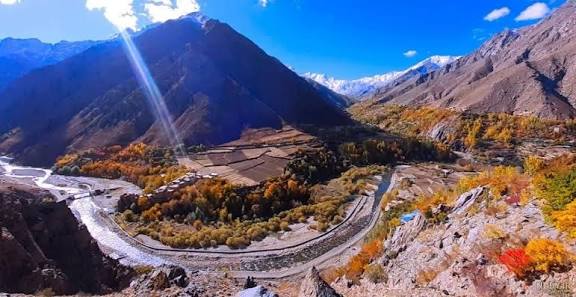
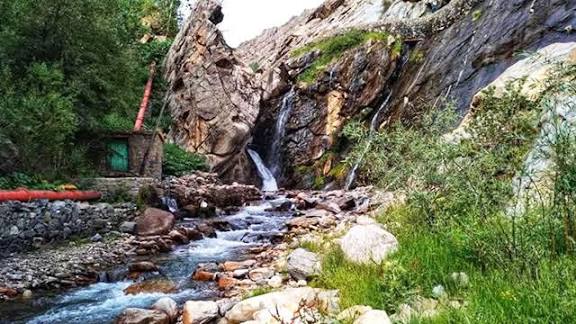
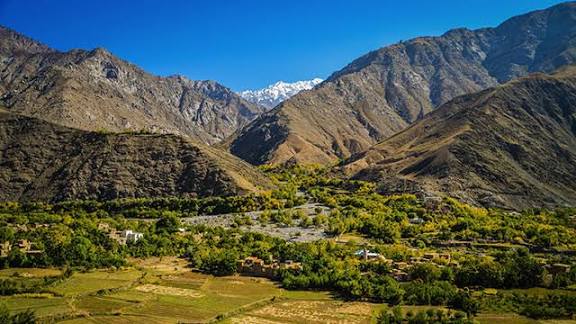
Geography:The province is dominated by the Panjshir Valley, a long, narrow valley flanked by high mountains, including the Panjshir Range and the Kuhestan Range. The Panjshir River flows through the valley.
Resistance: Panjshir is famous for its resistance to both the Soviet Union during the Soviet-Afghan War and the Taliban in the 1990s and after the US withdrawal in 2021.
Ahmad Shah Massoud: The region is the birthplace and stronghold of Ahmad Shah Massoud, a prominent anti-Taliban commander known as the "Lion of Panjshir”.
People and Culture: The majority of the population are ethnic Tajiks who speak a dialect of Dari (Persian).
Get in
Only by Road:
To reach Panjshir Province from Kabul, the most common route is by road, either by private vehicle or taxi, or via public transportation. The journey is roughly 150 kilometers and takes around 2-3 hours by car, or 3-4 hours by public transport.
See
• Tomb of Ahmad Shah Massooud.
• Panjshir River
• Khenj Big Mosque
• Bazarak
• Panjshir Mountains
• Mersmel (Mir Samir) peak
• Khwaja and Rukha Villages
• Darband Valley
• Howz e lalan
1. Tomb of Ahmad Shah Massoud:
Ahmad Shah Massoud is buried in his home village of Bazarak, in the Panjshir Valley, Afghanistan. His body was flown to Panjshir by helicopter and buried on September 16, 2001, exactly one week after his assassination.
The location is now a site of remembrance and is referred to as the "Tomb site of Ahmad Shah Massoud".
2. Panjshir River:
The Panjshir River is a prominent river in northeastern Afghanistan, flowing through the Panjshir Valley. It originates in the Hindu Kush mountains and is known for its turquoise color and role as a lifeline for the region.
The river is crucial for drinking water, irrigation, and local ecosystems. It has also played a significant role in the valley's history, acting as a natural barrier and influencing its reputation as a stronghold.
Key Features of the Panjshir River:
Source:
The Panjshir River begins near the Anjuman Pass in the Hindu Kush mountains.
Course:
It flows southward through the Panjshir Valley, eventually joining the Kabul River at Surobi.
Tributaries:
The Ghorband River is a major tributary that joins the Panjshir River near Bagram.
Water Source: Provides water for drinking, irrigation, and supports local ecosystems.
Strategic Importance: The river valley has been a site of resistance against invaders throughout history.
Natural Barrier: The river and its valley have historically served as a defensive position.
Tourism: The river and its surroundings offer scenic landscapes and cultural attractions.
Location:
The river flows through the Panjshir Valley, a region about 150 km north of Kabul.
3. Khenj Big Mosque:
Khenj Big Mosque, located in Rakh, Panjshir, Afghanistan, is a Sunni mosque that serves the local community, with speakers of Dari and Pashto. It is a place of worship and a hub for community life in the region.
The mosque features traditional Islamic architecture with curved domes, soaring minarets, and intricate tile work.
4. Bazarak:
Bāzārak is the provincial capital of Panjshir Province, in the Panjshir Valley of northeastern Afghanistan. It is a small city with a total population of 24,723 as of 2015.
There are local Markets in Bazarak - Experience the vibrant local market scene where you can find everything from fresh produce to handmade crafts. It’s a great spot to interact with locals and pick up some unique souvenirs.
5. Panjshir Mountains:
Koh-i Panjshir - This mountain range is not just for the views; it’s a great spot for hiking and immersing yourself in nature. The trails are less traveled, offering a sense of solitude.
6. Mersmel (Mir Samir) Peak:
Mersmel, also known as Mir Samir, is a prominent peak in the Hindu Kush Mountain range, bordering the Panjshir province and Nuristan in Afghanistan. It stands at 5,809 meters (19,058 feet). The mountain is known for its challenging climb and stunning views, attracting mountaineers and nature enthusiasts.
Key details about Mersmel:
Location: Straddles the border between Panjshir and Nuristan.
Height: 5,809 meters (19,058 feet).
Significance: Historically considered unclimbable, first ascended in 1959 by a German expedition.
Best time to visit: Summer months (June to September) for trekking, but be prepared for unpredictable weather.
Features: Rugged, snow-capped peaks, deep valleys, and alpine meadows.
Activities: Hiking, trekking, and photography.
Cultural Significance: The mountain is steeped in local folklore and has a rich history.
7. Khwaja and Rukha:
Khwaja and Rukha are villages located in the Panjshir Valley, a region known for its scenic beauty and historical significance as a place of refuge and resistance. Khwaja village is characterized by traditional Afghan rural life, featuring mud-brick homes, terraced fields, and orchards.
Rukha is also known for its terraced fields and orchards, offering views of the Panjshir River and surrounding peaks.
Khwaja Village:
Khwaja is a traditional Afghan village where visitors can experience authentic rural life.
Handicrafts: The village has a small market where visitors can find local handicrafts.
Location: It is situated in the Panjshir Valley, a mountainous region north of Kabul.
Rukha Village:
Rukha is known for its terraced fields and orchards, which offer scenic views.
Panjshir River Views:
Visitors can enjoy views of the Panjshir River and surrounding mountains from Rukha.
Hiking Opportunities:
The area is suitable for hiking, particularly through the terraced fields and orchards.
Integrated Community Development:
In the past, Rukha was the site of a community development project supported by the UNDP and UNV.
Location:
Rukha is also located in the Panjshir Valley, near Khwaja village.
8. Darband Valley:
The Darband Valley is a part of the larger Panjshir Valley, located in the northeastern region of Afghanistan, approximately 150 kilometers north of Kabul.
Known for its stunning natural beauty, strategic location, and history of resistance, the valley is a significant part of Afghanistan's cultural and historical landscape.
Location and Geography:
The Panjshir Valley, including the Darband Valley, is a long, narrow valley carved by the Panjshir River and surrounded by towering mountains.
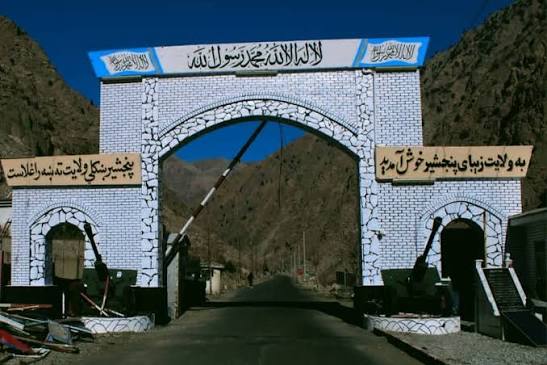
Its strategic location, with only one major point of exit and entry when approaching from Kabul, makes it a natural fortress.
The valley's rugged terrain and high altitude offer breathtaking views and opportunities for adventure.
9. Hawz lalan:
Lalan, also known as Lalan lake, is a beautiful natural lake located in the Panjshir province of Afghanistan, specifically in the Abdullah Khil valley.
It sits high in the mountains, nestled between Panjshir and Najrab. The lake is known for its stories, local names, and the belief that wishes made there come true. It's a popular spot for locals, especially during the summer, for prayer and making wishes.
Here's a more detailed breakdown:
Location:
Lalan lake is situated on a mountain top, geographically between the Panjshir and Najrab districts.
Natural Beauty:
The lake is described as a beautiful natural lake, part of the larger Abdullah Khil valley in Panjshir.
Local Significance:
It's a place of local belief where people go to pray and make wishes, with the conviction that their wishes will be granted after visiting the lake.
Eat and Sleep
In Panjshir, you can find places to sleep in local lodges or guesthouses, and enjoy meals at restaurants or kebab shops along the river or in towns like Bazarak.
Sleeping:
Local Lodges and Guesthouses:
Panjshir offers lodges focused on sustainable tourism and guesthouses that provide a more immersive cultural experience.
Hostel-like options:
Some accommodations are described as being similar to hostels, providing basic but secure rooms, especially in areas near the Tomb of Massoud.
Considerations:
When choosing a place to stay, consider your travel style, budget, and whether you prefer a modern hotel or a more traditional experience.
Eating:
Kebab Shops and Chaikhanas:
These are common along the Panjshir River and in towns, offering freshly made kebabs, Afghan bread, and tea.
Restaurants:
You can find various restaurants, including some Western-style cafes, in Bazarak and other towns.
Local Specialties:
Don't miss trying local delicacies like Talkhan (dried fruit made from mulberries) and fresh or dried berries, Shomali green raisins, and yogurt.
Note:
Lack of Tourist Facilities: Panjshir lakes of tourist facilities, there may be a lack of tourist facilities such as hotels, restaurants, and tourist attractions. Travelers may need to be prepared for basic accommodations and limited amenities.